Your home is not just a place where you sleep, eat, and keep your things. It is the space that quietly shapes your mood every day. A bright kitchen can make mornings feel easier. A calm bedroom can help you slow down after a long day. A well-arranged living room can make family conversations feel natural instead of forced. This is why interior decoration tips mintpaldecor matter. Good decoration is not about showing off. It is about making your home feel more useful, more peaceful, and more like you.
Many people make the same mistake when decorating. They start by buying random items. A beautiful lamp here, a colorful cushion there, a mirror from one website, a rug from another store. Each piece may look nice on its own, but when everything is placed together, the room still feels unfinished. The reason is simple. Decoration is not only about pretty objects. It is about connection. The colors, furniture, lighting, textures, and accessories must all work together.
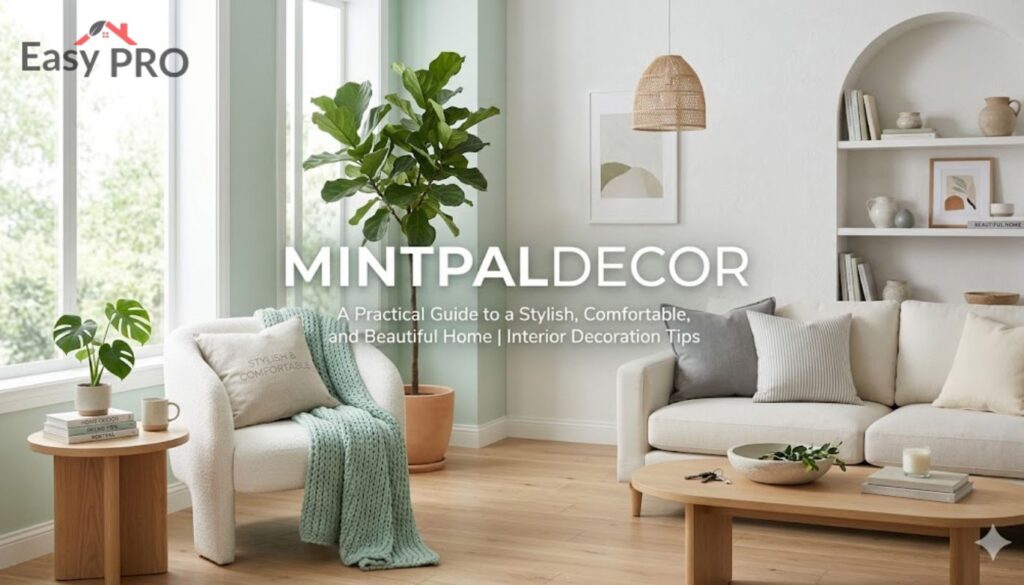
The MintPalDecor approach is built on balance, simplicity, comfort, functionality, and personal style. It does not ask you to spend a fortune. It asks you to think before you decorate. A room with fewer but better choices often looks more elegant than a room filled with expensive pieces that do not belong together. Once you understand the basic principles, you can make small changes that create a big difference.
Think of your home like a story. Every room is a chapter. Every color, light, chair, plant, and picture adds a sentence. If the sentences do not connect, the story feels confusing. But when everything has a purpose, the home feels complete. That is the real promise of interior decoration tips mintpaldecor: a home that looks stylish, feels comfortable, and supports the way you actually live.
Home Interior Design Ideas That Start With a Clear Vision
The first step in interior decoration tips mintpaldecor is not shopping. It is planning. Before you choose paint, furniture, curtains, or wall decor, you need to decide how the room should feel. Do you want it to feel calm, bright, cozy, modern, elegant, natural, or playful? This question may sound simple, but it guides almost every decision that follows.
A clear vision helps you avoid decoration confusion. Without it, you may buy a rustic table, a modern lamp, a traditional rug, and a colorful painting, then wonder why the room feels strange. Each item may be attractive, but the room lacks direction. When you begin with a vision, every purchase becomes easier because you already know what belongs and what does not.
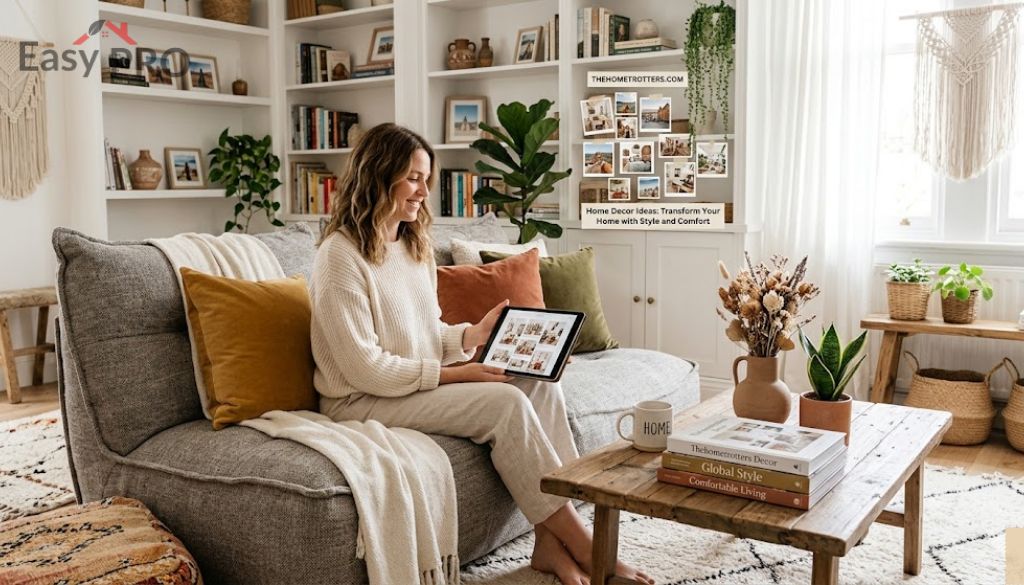
One helpful way to build your vision is by creating a mood board. You can collect photos, fabric ideas, paint shades, furniture shapes, lighting styles, and decor pieces that match the feeling you want. You do not need to be a professional designer. Even saving images on your phone can help you notice patterns in your taste. Maybe you keep choosing warm beige walls, wooden furniture, linen curtains, and black lamps. That tells you your style may be warm, simple, and natural.
A friend once told me she hated her living room, even though she had replaced almost everything in it. When we looked closely, the problem was not the furniture. It was the lack of a plan. She had bought a sofa because it was on sale, a rug because it was colorful, and curtains because they matched nothing but were “nice enough.” Once she chose a clear direction, soft neutrals with green accents and warm wood, the same room started to feel connected. She did not need to replace everything. She needed a design idea that made sense.
This is the heart of interior design. It is not just about decoration. It is about how people experience a space. When your vision is clear, your home begins to feel intentional instead of accidental.
Interior Decorating Tips for Beginners Who Want a Better-Looking Home
If you are new to decorating, do not try to change the whole house at once. That usually becomes stressful, expensive, and messy. Start with one room. Even better, start with one corner. A reading corner, bedside table, entryway, or sofa wall can teach you more than a rushed full-home makeover.
The best beginner method is to observe before changing anything. Look at the room during the day and at night. Notice where sunlight enters. Notice where clutter collects. Notice which furniture blocks movement. Notice which area feels empty or dull. These details tell you what the room actually needs.
For example, if your living room feels cold, the answer may not be more cushions. It may need warmer lighting, a larger rug, or wood texture. If your bedroom feels restless, the problem may be too many colors, too much clutter, or harsh overhead light. If your kitchen feels unfinished, updated cabinet handles or better counter organization may do more than expensive decor.
Beginners often think good decoration means adding more. In reality, good decoration often means editing better. Remove what does not belong. Keep what is useful, beautiful, or meaningful. Then add only what improves the room. This simple habit prevents clutter and saves money.
The MintPalDecor method encourages purposeful decoration. Every item should earn its place. A lamp should improve lighting. A mirror should reflect light or complete a wall. A rug should connect furniture. A plant should add freshness. A storage bench should reduce mess. When every piece has a reason, the room feels cleaner and more confident.
Modern Home Decor Tips for Creating a Clean and Elegant Space
Modern home decor does not have to feel cold or empty. A modern room can still feel warm, soft, and personal. The key is to use clean lines, calm colors, useful furniture, and carefully chosen accessories. Interior decoration tips mintpaldecor work well with modern homes because the approach values simplicity without making the space feel lifeless.
A clean modern room usually begins with a strong base. Neutral walls, simple furniture shapes, open walking space, and balanced lighting create the foundation. After that, you can add warmth through wood, fabric, rugs, plants, art, and personal details. The goal is not to remove personality. The goal is to remove visual noise.
Modern elegance often comes from restraint. One large artwork can look stronger than five small frames. One beautiful vase can look better than a crowded table. One textured rug can add more warmth than many tiny accessories. When you give important pieces space, they stand out.
This is where many people go wrong. They see empty space and feel the need to fill it immediately. But empty space is not always a problem. In decoration, negative space gives the eye a place to rest. It makes the room feel calmer and allows your best pieces to breathe. A home without breathing space feels heavy, even if the decor is expensive.
Modern MintPalDecor style is not about copying a showroom. It is about creating a room that feels fresh, organized, and easy to live in. When your space is simple but not bare, stylish but not stiff, and personal but not cluttered, you are on the right path.
Living Room Decoration Ideas That Improve Comfort and Conversation
The living room is often the busiest room in the home. It may be used for watching TV, hosting guests, relaxing, reading, playing games, or spending time with family. Because it serves many purposes, the layout matters more than people realize.
Start with seating. Sofas and chairs should encourage conversation and comfort. If every seat faces only the television, the room may feel less social. If chairs are too far apart, people may feel disconnected. If the coffee table is too far from the sofa, the space becomes less practical. A good living room makes it easy to sit, talk, move, and relax.
The rug is also important. A small rug floating in the middle of the floor can make the room look unfinished. A larger rug that connects the sofa and chairs creates a stronger seating area. This one change can make the living room feel more designed.
Every living room also needs a focal point. It may be a fireplace, a media wall, a large painting, a beautiful sofa, or a statement light. Without a focal point, the room can feel scattered. With too many focal points, it can feel busy. Choose one main feature and let the rest of the room support it.
I once visited a home where the living room had beautiful furniture but no clear focus. There was a bold rug, a bright wall, a huge TV, a crowded shelf, and patterned curtains. Everything competed for attention. After the owner simplified the curtains, reduced shelf clutter, and made the artwork above the sofa the main feature, the room finally felt calm. Nothing expensive changed. The focus changed.
That is the strength of interior decoration tips mintpaldecor. They help you understand what the room needs instead of blindly adding more.
Bedroom Decoration Tips for a Calm and Relaxing Space
A bedroom should help you rest. That sounds obvious, but many bedrooms become storage zones, laundry areas, work corners, and clutter traps. A beautiful bedroom is not only about a nice bed. It is about creating a space that tells your mind to slow down.
The bed should be the main focal point. A comfortable headboard, soft bedding, and balanced bedside tables can make the room feel complete. You do not need overly expensive bedding, but you should choose fabrics that feel good and colors that create calm. White, cream, beige, soft gray, dusty blue, sage green, and warm taupe are all easy bedroom colors.
Lighting is especially important in a bedroom. Harsh overhead lighting can make the space feel less relaxing. Bedside lamps, wall sconces, or pendant lights near the bed create a softer evening mood. This is where layered lighting becomes useful because one room can need different types of light for different times of day.
One strong piece of artwork above the bed can also improve the room. Many people choose artwork that is too small and hang it too high. A larger piece, placed closer to the bed area, usually looks more polished. It gives the wall purpose without needing too many decorations.
Keep bedroom surfaces simple. A bedside table does not need five decorative objects. A lamp, a book, and one small personal item may be enough. The fewer distractions you have, the more peaceful the room feels.
Small Space Decorating Tips to Make Compact Rooms Feel Bigger
Small rooms are not bad rooms. They simply need smarter decisions. In fact, a small room can feel more cozy and stylish than a large room if it is planned well. The main goal is to create openness without making the room feel empty.
Use furniture that fits the scale of the room. Oversized pieces can make a small space feel cramped. However, using furniture that is too tiny can also make the room feel awkward. The trick is to choose pieces that are compact but still comfortable.
Mirrors can help small rooms feel larger because they reflect light and create depth. A well-placed mirror near a window or across from a bright wall can make a compact room feel more open. Light-colored walls, simple curtains, and fewer visual distractions can also help.
Curtains can change the feeling of a small room. Hanging curtains higher and wider than the window can make ceilings look taller and windows appear bigger. This is a simple design trick with a strong visual effect.
Storage is another key. In a small space, clutter appears faster. Use beds with storage, benches with compartments, wall shelves, baskets, and closed cabinets. The goal is not to hide your life. The goal is to give everything a proper place so the room can breathe.
Color Palette Ideas for Home Decor That Create Balance and Harmony
Color is one of the fastest ways to change a room. It affects mood, size perception, and visual comfort. The MintPalDecor approach often begins with a warm neutral base because it is flexible, timeless, and easy to build on.
Soft white, cream, beige, greige, warm gray, and light taupe create calm backgrounds. These colors allow furniture, art, plants, and accessories to shine without making the room feel loud. After choosing a neutral base, you can add accent colors for personality. Navy blue, olive green, muted gold, terracotta, dusty pink, charcoal, and earthy brown all work well when used with control.
The 60-30-10 color rule can help beginners understand balance. In simple terms, most of the room uses one main color, a smaller part uses a secondary color, and a small part uses an accent color. This does not need to be exact, but it helps prevent color chaos.
For example, a living room may use warm white walls and a beige sofa as the main color. Wood tones and tan curtains may become the secondary color. Olive green cushions and artwork may become the accent. The room feels connected because the colors have roles.
Before painting, always test the color in your actual room. A color that looks beautiful online may look too yellow, too blue, or too dark under your lighting. Paint changes throughout the day, so check it in morning light, afternoon light, and evening light before deciding.
Layered Lighting Tips to Make Every Room Feel Warm and Inviting
Lighting can completely change how a room feels. Many homes rely on one ceiling light, but one light source usually creates flat and harsh lighting. A well-decorated room needs layers.
Ambient lighting gives general brightness. Task lighting helps with activities like reading, cooking, studying, or applying makeup. Accent lighting highlights artwork, shelves, architectural details, or cozy corners. When these layers work together, the room feels deeper and more welcoming.
Warm light is usually better for relaxing spaces. Bulbs around 2700K to 3000K often create a cozy glow for bedrooms and living rooms. Kitchens and work areas may need brighter lighting, but even there, the light should not feel harsh or uncomfortable.
A simple lighting upgrade can change a room quickly. Replace cold bulbs with warmer ones. Add a floor lamp near the sofa. Place a table lamp on a console. Use a small light near a reading chair. Add under-cabinet lighting in the kitchen. These changes are often more powerful than buying more decorative objects.
Lighting is also emotional. A softly lit room at night feels different from a bright room in the morning. A home should support both. That is why dimmers, lamps, and multiple light sources are practical, not just decorative.
Furniture Placement Tips for Better Flow and Function
Furniture placement decides whether a room feels natural or frustrating. You can own beautiful furniture and still have a poor room if the layout blocks movement or ignores how people use the space.
Start by thinking about walking paths. People should be able to move through the room without squeezing between furniture. Doors should open easily. Chairs should pull out comfortably. Tables should be close enough to use but not so close that they interrupt movement.
In a living room, avoid pushing every piece against the wall automatically. Sometimes pulling the sofa slightly inward creates a better conversation area. In a large room, floating furniture can make the space feel more intimate. In a small room, placing furniture carefully against walls may save space, but it should still feel intentional.
Scale matters here too. A huge sectional sofa can overwhelm a compact room. A small loveseat can look lost in a large open space. Measure before buying. This basic step prevents many expensive mistakes.
Furniture should support life, not fight it. If your family eats snacks in the living room, a coffee table with storage may be useful. If you read often, a lamp and side table near your favorite chair matter. If you host guests, seating should feel welcoming. The best layout is the one that makes daily use easier.
Wall Decor Ideas That Add Personality Without Clutter
Walls offer a major chance to make a room feel finished. However, wall decor should be chosen carefully. Too little can feel empty. Too much can feel chaotic.
Artwork is one of the easiest ways to add personality. Choose pieces that connect with the room’s colors or mood. A large artwork above a sofa, bed, or console table often looks more polished than many small frames scattered across a wall.
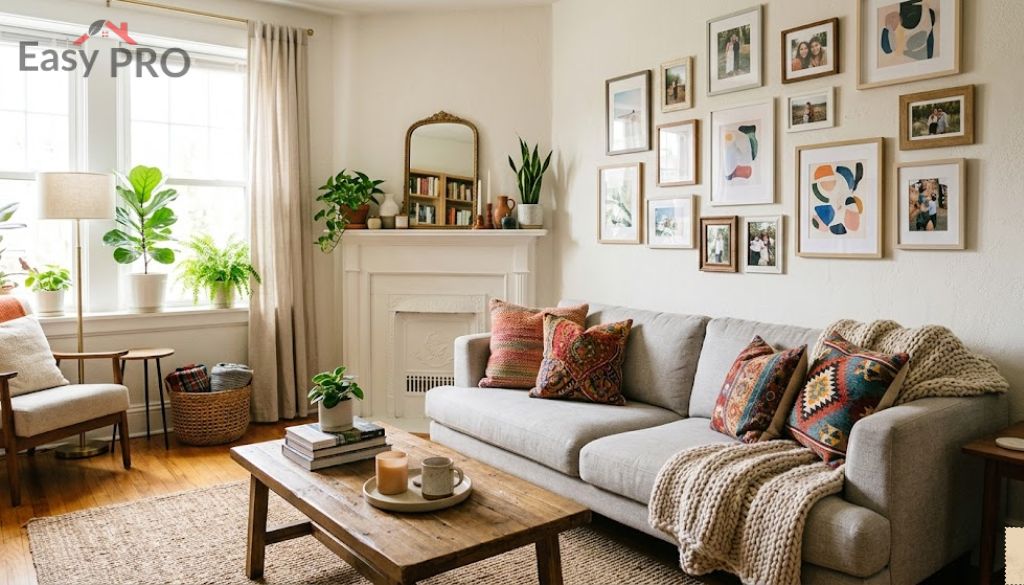
Gallery walls can work beautifully, but they need planning. Frames should feel related in color, shape, or spacing. The art does not need to match perfectly, but the arrangement should feel intentional. If the wall looks like random pieces were added over time without thought, the room may feel messy.
Shelves can also decorate walls while adding function. But open shelves need discipline. A few books, ceramics, plants, and meaningful objects look better than a shelf packed with everything you own. Leave space between items so each piece can be noticed.
Wall panels, wallpaper, mirrors, and picture lights can also create interest. The point is not to use every idea at once. Choose the wall treatment that supports the room’s main feeling.
Home Decor Texture Ideas That Add Warmth and Depth
Texture is what makes a room feel rich even when the colors are simple. A neutral room without texture can feel flat. A neutral room with linen, wool, wood, stone, ceramic, metal, and woven details can feel warm and layered.
Soft textures make rooms more comfortable. Rugs, curtains, cushions, throws, upholstered chairs, and bedding help soften hard surfaces. Natural textures such as wood, rattan, jute, stone, and clay add earthiness. Smooth materials like glass and metal add contrast.
The best rooms mix different textures. A wooden coffee table feels better on a soft rug. A linen sofa looks more inviting with velvet cushions. A metal lamp feels warmer beside books and a ceramic vase. These combinations create depth without needing loud colors.
Texture is especially important in simple interiors. If you like a minimalist or modern style, texture prevents the room from looking empty. The room can stay clean and calm while still feeling human.
Indoor Plant Decoration Ideas for a Fresher Natural Look
Plants bring life into a room. They add color, shape, movement, and freshness. Even one healthy plant can make a space feel more welcoming.
For beginners, low-maintenance plants are the safest choice. Snake plants, pothos, succulents, and peace lilies are popular because they are easier to manage than delicate plants. Choose plants based on your room’s light, not only based on how they look.
A tall plant can fill an empty corner better than a random chair. A small plant can soften a shelf. A plant on a coffee table or dining table can replace heavier decor. Decorative planters also matter because they connect the plant to the room’s style.
Plants are not magic fixes for every home problem, but they do improve visual warmth. They soften straight lines and bring organic shapes into the room. If you cannot keep real plants alive, a high-quality artificial plant can still help the design visually.
Nature can also appear through materials. Wood furniture, stone accessories, cotton textiles, woven baskets, and natural light all support a fresher, calmer home.
Smart Storage Ideas to Keep Your Home Clean and Organized
A home cannot feel well decorated if clutter controls it. Clutter makes rooms feel smaller, heavier, and less peaceful. This does not mean your home should look empty. It means your daily items need proper places.
Smart storage should be planned early. A TV unit with closed cabinets, a coffee table with drawers, a storage bed, baskets under a console, and benches with hidden compartments can all reduce visual mess. In bathrooms, matching containers can calm open shelves. In kitchens, drawer organizers and closed cabinets keep counters cleaner.
The best storage is easy to use. If storage is too complicated, people will not use it. A basket near the sofa for blankets works because it is simple. A drawer for chargers works because it is close to where chargers are used. Storage should match real habits.
Decluttering also matters. Do not keep items only because you bought them. If something does not serve the room visually, emotionally, or practically, it may not belong there. A few meaningful pieces often make a stronger statement than many random ones.
Sustainable Interior Design Tips for Long-Lasting Home Style
Modern decorating should not only look good today. It should also make sense tomorrow. Sustainable interior design focuses on better choices, longer-lasting materials, lower waste, and smarter energy use.
Buying fewer but better items is one of the simplest sustainable choices. A durable sofa that lasts for years is better than a cheap one you replace quickly. Timeless furniture, natural materials, and repairable pieces can reduce waste and save money over time.
Lighting is another practical area. LED lighting uses far less energy than older incandescent bulbs and lasts much longer. This makes it useful for both budget and sustainability. Choosing warm LED bulbs also supports the cozy lighting style recommended in interior decoration tips mintpaldecor.
Smart home features can help when they serve real needs. Smart lighting, smart thermostats, and energy-efficient appliances can improve comfort and reduce waste when used thoughtfully. However, technology should not dominate the design. It should quietly support daily life.
Sustainable style is not about making your home look plain. It is about choosing pieces that age well, work well, and continue to feel beautiful after trends change.
Affordable Home Decoration Tips That Work Without a Big Budget
You do not need a large budget to improve your home. Some of the best changes are simple and affordable. Rearranging furniture, changing light bulbs, decluttering surfaces, hanging curtains higher, adding a plant, updating cushions, or replacing cabinet handles can create visible improvement.
Paint is another powerful tool. A fresh wall color can completely change a room’s mood. If painting the full room feels too much, one accent wall or even painted furniture can make a difference.
Hardware upgrades are especially useful in kitchens and bathrooms. New cabinet handles, drawer pulls, towel hooks, or faucet finishes can make the room feel more updated without renovation. Choose simple finishes like matte black, brushed nickel, brass, or bronze depending on your existing colors.
Soft textiles also help. New curtains, a rug, bedding, or cushion covers can refresh a room quickly. Just make sure they fit the color palette. Random textiles create clutter, but coordinated textiles create warmth.
Affordable decoration works best when you follow a plan. Spending small amounts randomly still leads to waste. Spending small amounts with purpose creates progress.
MintPalDecor Buying Guide for Choosing Products With Confidence
If you want to buy MintPalDecor-style decor products, furniture, lighting, or accessories, do not buy only because something looks good in a photo. Photos can hide scale, texture, and quality. Buy because the product fits your room, solves a problem, and supports your design vision.
Before buying, ask what the item will do. A rug should connect furniture and add comfort. A lamp should improve lighting. A mirror should complete a wall or reflect light. A storage bench should reduce clutter. A plant stand should support greenery and style. A piece of art should strengthen the room’s personality.
Always check measurements. Many people regret online purchases because they ignore dimensions. A coffee table may look large in a product photo but feel tiny beside your sofa. A rug may appear generous but fail to reach the furniture legs. A mirror may look dramatic online but disappear on a large wall.
Also think about durability. If the item will be used daily, quality matters. A decorative object can be delicate, but a sofa, chair, table, rug, or lamp needs to handle real life. Choose products that match your lifestyle, not just your dream photo.
This is how interior decoration tips mintpaldecor help you buy with confidence. You are not guessing. You are choosing with a clear purpose.
Step-by-Step Home Decorating Guide Using MintPalDecor Principles
The easiest way to decorate well is to follow a simple order. Start with one room. Remove what does not belong. Observe how the room is used. Decide the mood you want. Create a mood board. Measure the space. Fix the layout. Improve lighting. Choose a color palette. Add texture. Create one focal point. Then add personal details.
This order prevents common mistakes. If you buy accessories before fixing layout, the room may still feel wrong. If you paint before checking light, the color may disappoint you. If you buy furniture before measuring, you may waste money. Step-by-step decorating protects you from rushed decisions.
After adding decor, edit the room. Walk away for a day and return with fresh eyes. If something feels unnecessary, remove it. Good design often becomes stronger when you take something away.
Personal touches should come near the end, but they matter deeply. Family photographs, travel souvenirs, books, handmade pieces, and meaningful artwork make a home feel real. Without personal details, a room may look nice but feel empty.
Common Interior Decoration Mistakes to Avoid
The most common mistake is decorating without a plan. This creates rooms filled with disconnected items. A plan may feel slower, but it saves money and improves results.
Another mistake is choosing rugs that are too small. A living room rug should connect the seating area. A dining room rug should allow chairs to stay on the rug when pulled out. Small floating rugs make rooms look unfinished.
Poor lighting is also common. One ceiling light rarely creates warmth. Lamps, wall lights, task lights, and accent lights make a room feel layered and comfortable.
Many people also hang curtains too low. Higher curtains make ceilings look taller and windows appear larger. This small change can make a room feel more professional.
Over-accessorizing is another problem. Too many cushions, candles, frames, and small objects can make a room feel crowded. A few strong pieces usually look better than many weak ones.
Finally, do not copy trends blindly. A trend may look beautiful online but fail in your home. Your room size, light, budget, and lifestyle are different. Use trends as inspiration, not instruction.
Final Thoughts on Interior Decoration Tips MintPalDecor
The best homes are not always the most expensive homes. They are the homes that feel thoughtful. They support daily life. They look warm, balanced, and personal. They make people feel comfortable the moment they enter.
Interior decoration tips mintpaldecor teach you to decorate with purpose. Start with function. Build a clear vision. Choose a balanced color palette. Use layered lighting. Pick furniture that fits. Add texture, wall decor, plants, storage, and personal details with care. Most importantly, leave breathing space.
Your home does not need to impress everyone. It needs to work for you. It should reflect your routines, memories, taste, and comfort. Whether you are decorating one corner, one bedroom, one living room, or a full home, the MintPalDecor approach gives you a practical path.
Start small. Move one chair. Change one bulb. Clear one surface. Add one plant. Hang one artwork properly. Each small decision teaches your eye what works. Over time, your home becomes more beautiful, more useful, and more truly yours.
That is the real promise of interior decoration tips mintpaldecor: a home that looks elegant, feels comfortable, supports daily life, and gives you confidence in every decorating choice.
Frequently Asked Questions
What are interior decoration tips mintpaldecor?
Interior decoration tips mintpaldecor are practical home styling ideas focused on balance, comfort, lighting, furniture placement, color harmony, and personal decor. They help make rooms look beautiful while staying useful.
Why are interior decoration tips important for a home?
Interior decoration tips help your home feel more organized, comfortable, and visually pleasing. Good decoration improves mood, supports daily routines, and makes each room easier to enjoy.
How much does it cost to decorate a room?
The cost depends on room size and choices. A small refresh may cost little with paint, lighting, and textiles, while full decoration with furniture, rugs, and decor costs more.
What is the difference between interior design and interior decoration?
Interior design focuses on layout, structure, function, and space planning. Interior decoration focuses more on colors, furniture, lighting, wall decor, textiles, and accessories that improve the room’s look.
What is the biggest mistake in home decoration?
The biggest mistake is buying decor without a clear plan. Random furniture, colors, and accessories often make a room feel cluttered, mismatched, or unfinished instead of stylish.
How can I make my home look better quickly?
Start by removing clutter, improving lighting, rearranging furniture, adding a larger rug, and using a clear color palette. Small changes can make a room feel more polished fast.
Are MintPalDecor decorating ideas good for small spaces?
Yes, MintPalDecor-style ideas work well for small spaces because they focus on smart storage, proper furniture scale, mirrors, light colors, clean layouts, and avoiding overcrowded decoration.
What future trends matter in interior decoration?
Future interior decoration trends focus on sustainable materials, energy-efficient lighting, smart home comfort, natural textures, flexible furniture, and personal spaces that support work, rest, and everyday living.