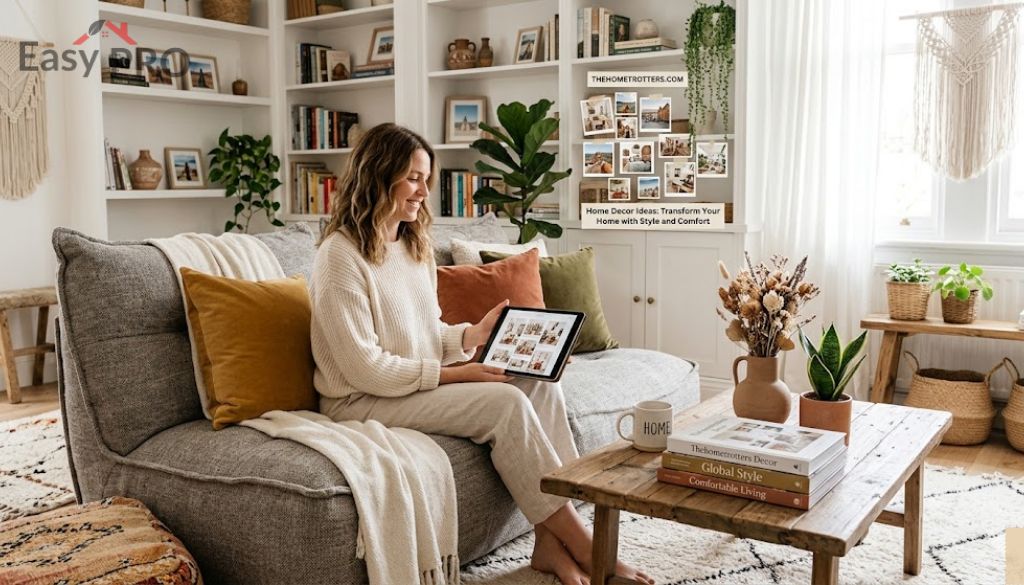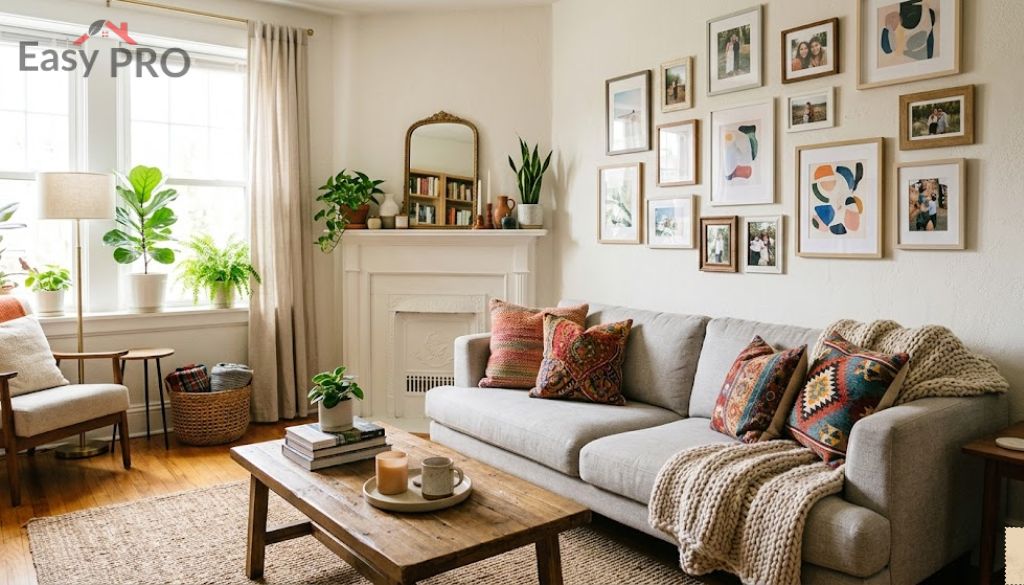
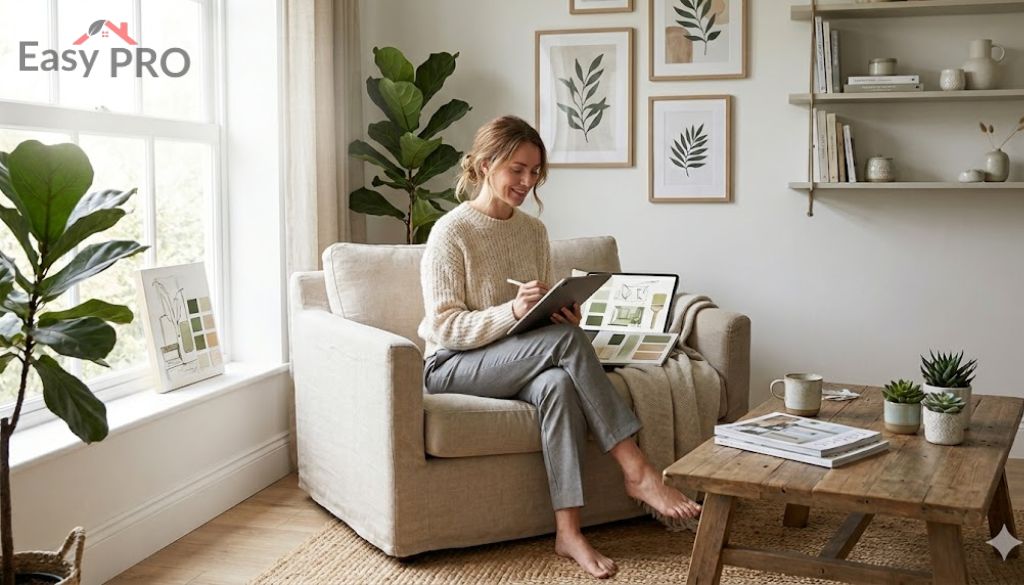
Interior design is more than decorating a room it’s an art and science that transforms your home into a space that reflects your personality, enhances comfort, and improves functionality. Learning how to be better at interior design MintPalDecor equips you with the knowledge, skills, and confidence to create spaces that are not just visually appealing, but also practical and harmonious. This guide combines professional advice, beginner-friendly tips, and actionable steps to help you improve interior design skills effectively.
Why You Should Improve Interior Design Skills
Interior design affects how you feel, interact, and live. Well-planned spaces can improve mood, productivity, and lifestyle quality. By mastering home styling techniques, you create environments that support daily routines while reflecting your personality. A thoughtfully designed room balances beauty and practicality, making everyday life more enjoyable.
For inspiration and professional guidance, explore MintPalDecor Home Decor to see real-world examples and tips.
Learn Interior Design Basics: Understanding Core Principles
Before choosing furniture or colors, mastering interior design tips for beginners is essential. Core principles ensure your space is balanced, harmonious, and functional.
- Balance and Visual Weight: Distribute large or bold elements evenly across a room. Learn more about balance in interior design.
- Scale and Proportion: Match furniture size to room dimensions and other items to avoid overpowering or underwhelming the space. Explore scale and proportion tips.
- Rhythm, Harmony, and Unity: Repeat colors, textures, or forms to guide the eye and maintain cohesion. Check rhythm and harmony techniques.
Understanding these foundations allows you to make informed choices and avoid common mistakes in design.
Professional Interior Design Advice: Step-by-Step Guidance
Adopting a designer’s mindset ensures that each choice solves a functional problem while enhancing aesthetics. Follow this interior design learning guide:
- Start With Function Before Style: Define each room’s purpose and identify daily needs. Functional spaces always outperform purely decorative ones. Learn more at Space Planning Guide.
- Master Space Planning: Measure your walls, doors, windows, and furniture. Plan traffic flow and avoid overcrowding. Resources: Interior Space Planning.
- Use Color Theory in Interior Design: Apply warm, cool, or neutral tones strategically. Use the 60-30-10 rule for balanced palettes. Learn Color Theory Basics.
- Layer Lighting: Combine ambient, task, and accent lighting to create mood, depth, and usability. Discover Lighting Design Tips.
- Apply Texture and Material Combinations: Mix soft and hard surfaces to add depth and richness. Explore Material & Texture Ideas.
Furniture Placement Rules for Maximum Impact
Correct furniture placement enhances comfort and flow. Key furniture placement rules include:
- Avoid pushing all furniture against walls; floating arrangements encourage interaction.
- Maintain clear pathways (30–36 inches) for movement.
- Use rugs to define open-plan zones.
- Establish a strong focal point with artwork, lighting, or architectural features.
Further reading:Furniture Placement Tips.
Creative Home Styling Ideas to Personalize Your Space
Personal style makes your home unique. Creative home styling ideas include:
- Mixing modern and vintage elements.
- Layering textures and patterns for visual interest.
- Incorporating personal items like family photos, art, or travel souvenirs.
Explore additional inspiration at Creative Home Styling Ideas.
Design Principles for Rooms: Tips for Beginners
Even beginners can achieve professional results by following design principles for rooms:
- Prioritize functionality, furniture should support daily activities.
- Blend timeless elements with trends neutral bases with contemporary accents.
- Use decluttering and storage solutions to enhance visual appeal.
Learn more here:Interior Design Tips for Beginners.
Step-by-Step Interior Design Learning Guide
A structured approach accelerates skill development:
- Observe – Study layouts from magazines, blogs, and real homes.
- Sketch Layouts – Plan furniture and focal points before purchasing.
- Test Colors and Textures – Experiment with palettes and materials.
- Implement Small Projects – Start with a single room.
- Refine Personal Style – Build a consistent, functional aesthetic.
Resources: Beginner’s Interior Design Guide.
Practical Interior Design Tips for Everyday Home Styling
- Maximize natural light with mirrors and sheer curtains.
- Introduce statement pieces like bold rugs or oversized artwork.
- Use dual-purpose furniture for style and efficiency.
- Add plants for warmth, freshness, and air purification.
- Layer lighting to match activity and mood.
- Choose seasonal fabrics linen for summer, velvet for winter.
- Incorporate personal touches to make spaces unique.
- Define focal points for visual clarity.
See more: Practical Interior Design Advice.
Blending Trends With Timeless Design
Combining current trends with timeless fundamentals ensures your home remains stylish for years:
- Neutral foundations with pops of contemporary colors.
- Classic furniture shapes paired with modern textures.
- Layered lighting and mixed materials create depth and versatility.
Learn more: Trends in Interior Design.
Conclusion: Achieve Your Best Interior Design Yet
Mastering how to be better at interior design MintPalDecor requires patience, practice, and observation. By following interior design tips for beginners, embracing home styling techniques, applying color theory in interior design, and experimenting with creative home styling ideas, anyone can elevate their spaces from ordinary to extraordinary.
Remember:
- Start with function, then design aesthetics.
- Plan layouts and lighting thoughtfully.
- Layer textures and create focal points.
- Personalize your space with meaningful items.
- Practice with small projects consistently.
With dedication, your home can be a reflection of your personality, blending comfort, style, and functionality. For more guidance, explore MintPalDecor for inspiration, tips, and professional advice.
Additionally, refining your eye for detail through consistent observation of real interiors, online inspirations, and design experiments will accelerate your growth. Don’t hesitate to revise layouts multiple times until the space feels right.
Over time, you’ll develop a signature style that naturally blends functionality with aesthetics. Keep learning new materials, trends, and techniques, and stay open to feedback from others to continuously improve your design sensibility and confidence.
To enhance both functionality and modern aesthetics in your living space, explore how to set up my home decoradtech for smart home styling and seamless technology integration ideas.
FAQs
How important is lighting in interior design?
Lighting is essential in How to Be Better at Interior Design MintPalDecor because it improves mood, depth, functionality, and overall room atmosphere.
Can beginners learn interior design without formal education?
Yes, structured self-learning combined with hands-on practice is sufficient.
What makes a room look professionally designed?
Balance, proper proportions, layered lighting, and smart furniture placement are key principles in How to Be Better at Interior Design MintPalDecor.
How long does it take to improve design skills?
With regular practice and observation, How to Be Better at Interior Design MintPalDecor skills can noticeably improve within a few months.